
Barri Shorey
Senior Program Officer, Refugees, Disasters and Aviation

Nabil Chemaly
Senior Program Officer, Safe Water
Maniza Ntekim
Senior Program Officer, Global Early Childhood Development - East and Southern Africa
Staff from the Hilton Foundation’s Safe Water, Refugees, and Early Childhood Development (ECD) initiatives—along with senior leadership—attended the 2026 Spring Meetings of the International Monetary Fund (IMF) and World Bank Group from April 13-18 in Washington, DC. The week was filled with panel discussions, side events and informal meetings with existing and new partners, which left our staff inspired, challenged and encouraged. Read their reflections on the week below:
Barri Shorey, Senior Program Officer, Refugees, Disasters and Aviation
In attending sessions and connecting with global partners this week, several items really stood out:
First, the importance of catalytic funding networks. Groups like the Growth Firms Alliance—a philanthropic collaborative focused on supporting small and medium enterprises in higher-risk markets—and the Alliance for Financial Inclusion—a policy leadership alliance working to expand financial services to those without access to banks—are bringing banks, foundations and other institutions together to mobilize resources and drive sustainable inclusion, supporting refugee communities to become self-reliant.
Second, African countries’ capacity to self-finance. Research shared during the week by the Center for Global Development indicates there is $4 trillion in domestic capital held in African countries—money that can fund significant structural transformation. However, regulatory constraints, economic volatility, and high debt rates are limiting countries’ financial flexibility.
Third and finally, the critical role played by philanthropy and development banks in enabling inclusive finance. Initiatives like the African Development Bank’s credit catalyst banking approach, which covers items like transaction costs to enable financial institutions to operate in rural areas, are eliminating barriers for communities and local organizations to access key financial resources.
Nabil Chemaly, Senior Program Officer, Safe Water
During the week, the World Bank launched a flagship global water initiative named Water Forward—an effort that seeks to improve water security for more than 1 billion people by 2030. Joined by the UN Secretary General, 14 countries and all major development banks made political and financial commitments to reform their water sectors.
This recognition that better government leadership and governance structures are needed is a welcome development and well-aligned with the Hilton Foundation’s safe water strategy. However, it is important that the initiative prioritizes sustainable service delivery solutions in rural and urban areas, and not only building more infrastructure. Key questions to keep in mind: How can we ensure rural areas are not overlooked? What can be done to sustain these investments in terms of better governance? These questions will guide our program strategy and advocacy moving forward, working to improve governance systems, professionalize water service delivery and ensure water services are sustainable in rural areas.
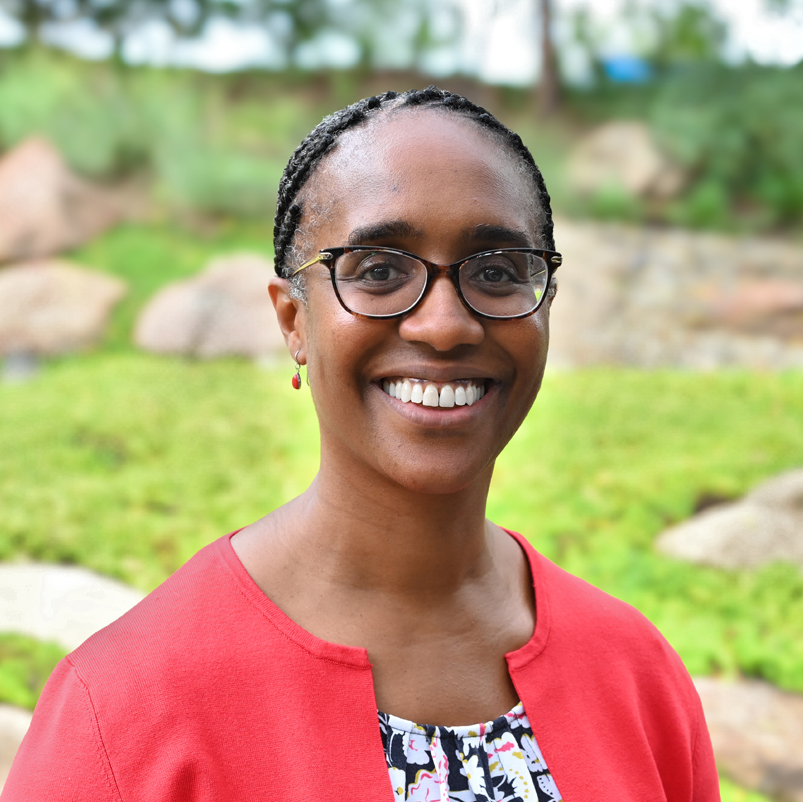
Maniza Ntekim, Senior Program Officer, Global Early Childhood Development (ECD)
I’m excited about the Act for Early Years Campaign, a Foundation-supported global effort to ensure all girls and boys have access to early childhood development, care and preschool education. The campaign’s important panel discussion this week about the evidence base for ECD showed how coordinated advocacy is resonating with governments, even when resources are limited. Countries are more clearly seeing how investing in young children and families has positive economic and social benefits. The Act for Early Years Campaign continues to build toward an international ECD financing summit in 2027; our Global ECD and Refugees teams stand ready to support partners to secure commitments from countries in our geographic areas of focus.
Another encouraging development from this past week is the progress shown within the U.S. State Department to program congressionally allocated funds for the Vulnerable Children account, as well as ongoing support to increase funding for this account. Even amid global aid cuts, the U.S. government remains committed to spending on foreign aid when it comes to ECD. Bipartisan support remains for maternal and newborn child health, so by leveraging strategic partnerships, practitioners working in education, health and other sectors can still secure important resources needed to improve ECD outcomes.