How Innovation Delivered Safe Water to Over 1.9 Million People
In 2021, the Safe Water team set an ambitious goal: ensure access to professional, sustainable, affordable and safe water services to 1 million people in low-income households, health facilities and schools across sub-Saharan Africa. This year, we not only met that goal—we surpassed it. Together with our partners, we’ve reached 1.95 million people and counting in rural communities across Ethiopia, Ghana and Uganda.
We didn’t get there by simply building more infrastructure. While expansion matters, the water sector continues to grapple with a persistent challenge of poor operations and maintenance. Too often, water systems are built by NGOs or governments with good intentions but without long-term plans for upkeep. This results in broken infrastructure, communities left without reliable water services, and a cycle of dependency on international aid.
That’s why the Safe Water initiative is committed to solutions that ensure Professional, Sustainable, Affordable, and Safe water services. Our focus on system-strengthening and water service delivery is proving effective thanks to the innovation and determination of our partners. One model we’re excited to highlight is the professionalized approach of treating water service delivery not just as humanitarian relief, but as a viable and accountable social enterprise.
Meet the partners who are bringing this vision to life and delivering safe water to some of the hardest-to-reach communities.
Unlocking Affordable Water Services
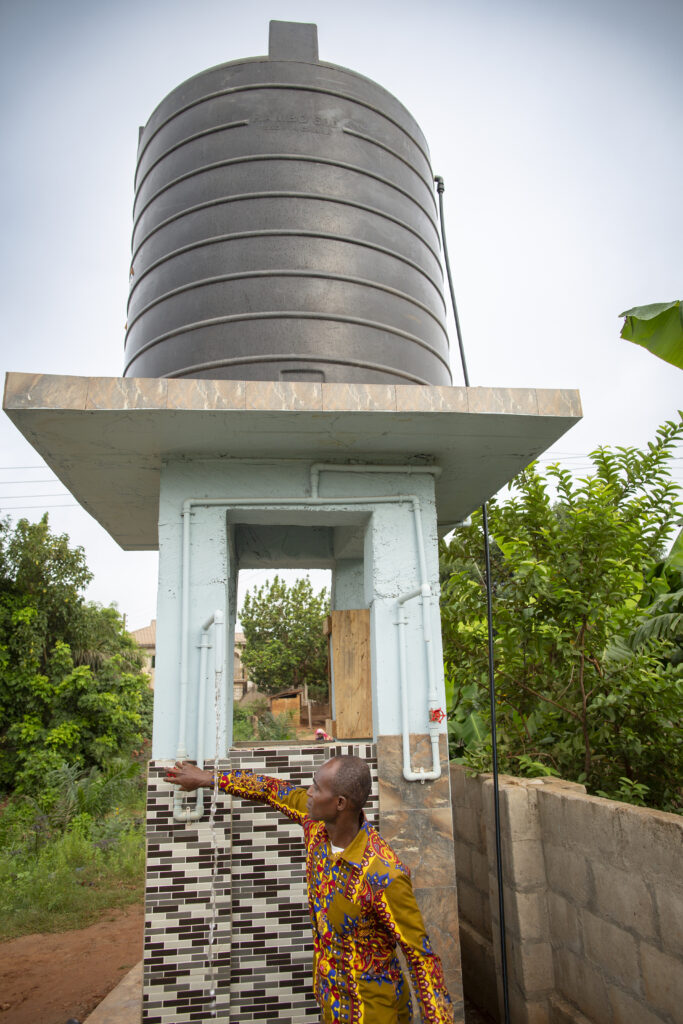
In Ghana’s Ahafo region, we’re supporting our partner World Vision’s initiative to ensure water infrastructure remains operational. World Vision is expanding professional services and piloting innovative financing mechanisms to reduce reliance on traditional aid models.
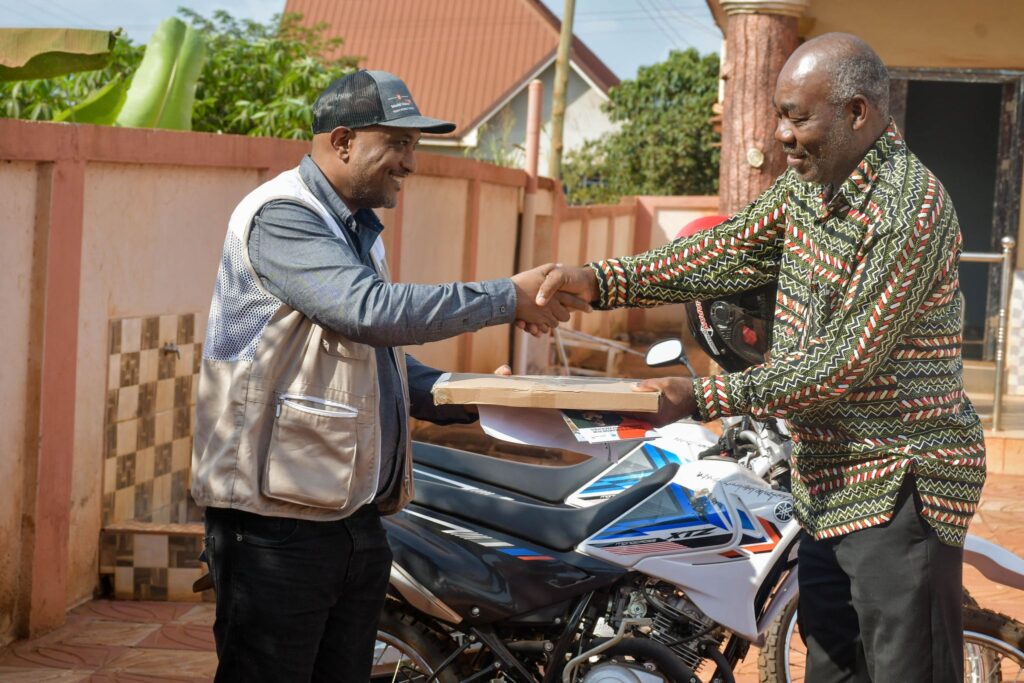
One of the most exciting developments is the introduction of a private operator to manage water schemes in Asutifi North and Asunafo North districts under contract with the government. Through this initiative, World Vision aims to provide continuous and reliable safe water services to nearly 50,000 people across the two districts.
This model brings fresh thinking and accountability, supported by innovations like a partnership between the government and a professional service provider—PEC Consult Ltd. With support from World Vision, PEC has taken over the operations and maintenance of multiple water schemes in the districts to ensure 24/7 reliable safe water to communities.
World Vision will also introduce new financing mechanisms, including:
We’re eager to see how these new approaches transform water sector financing.
Safe Water Enterprises: Innovative Individuals, Reliable Service Delivery
Local entrepreneurship in the water, sanitation, and hygiene (WASH) sector is gaining traction as a reliable solution for a persistent water crisis in sub-Saharan Africa. In Ghana, we’ve invested in youth-run businesses born out of hackathons, as well as more established enterprises taking their first steps into formal financing.
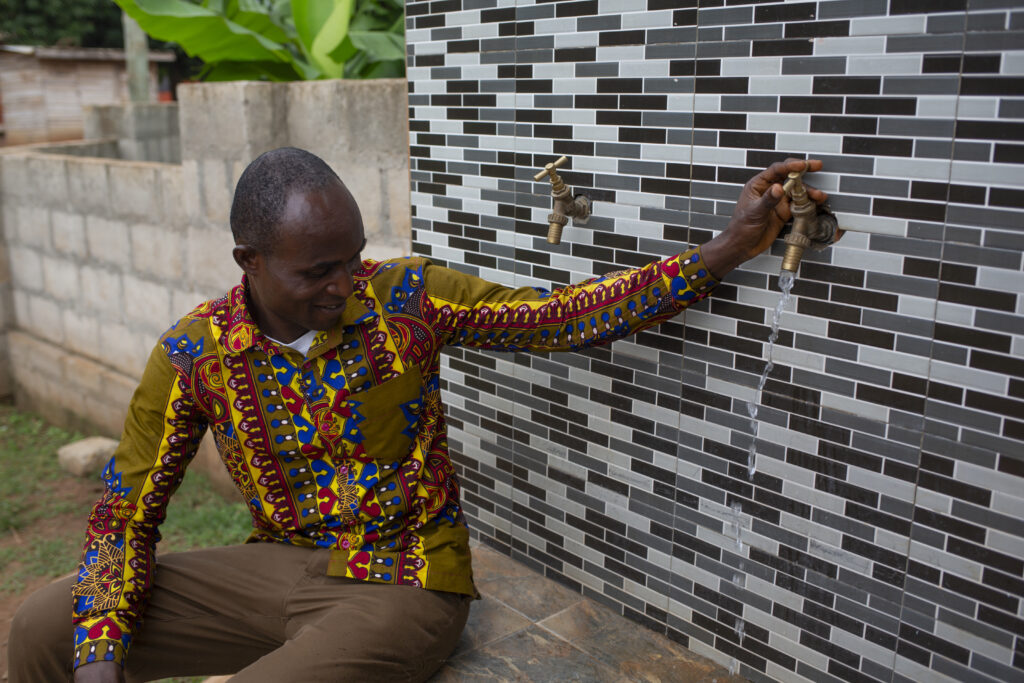
One enterprise that is taking out their first loan is Dani Hydrodrill, a Ghanaian social enterprise located in Kotwi Town, Ahafo region in Ghana. Dani rehabilitates and upgrades broken handpumps into solar-powered water systems and operates them to provide reliable water services to underserved communities.
Dani has already reached over 12,000 people with safe water services. Looking ahead, a modest loan, paired with a small grant and technical assistance, will support Dani to scale up to 10 water systems by 2027, serving nearly 15,000 additional people.
Another inspiring story comes from Linda Appiah, a young entrepreneur from a rural village in Ghana’s Ahafo region. Linda won a Hilton Foundation-supported youth hackathon with her idea to build mechanized water systems for rural communities—an idea rooted in her own childhood experience of walking long distances and waiting in long queues to collect water. With a $900 seed grant, she launched her enterprise, Ahafo Nkwa Nsuo, and within a year, it has grown into a promising social venture.
Looking Ahead
These stories remind me of why we do this work. Reliable safe water isn’t just about infrastructure—it’s about people, innovation, and the courage to try something new. Our partners are showing what’s possible when communities, governments, the private sector and donors come together to create systems that last.