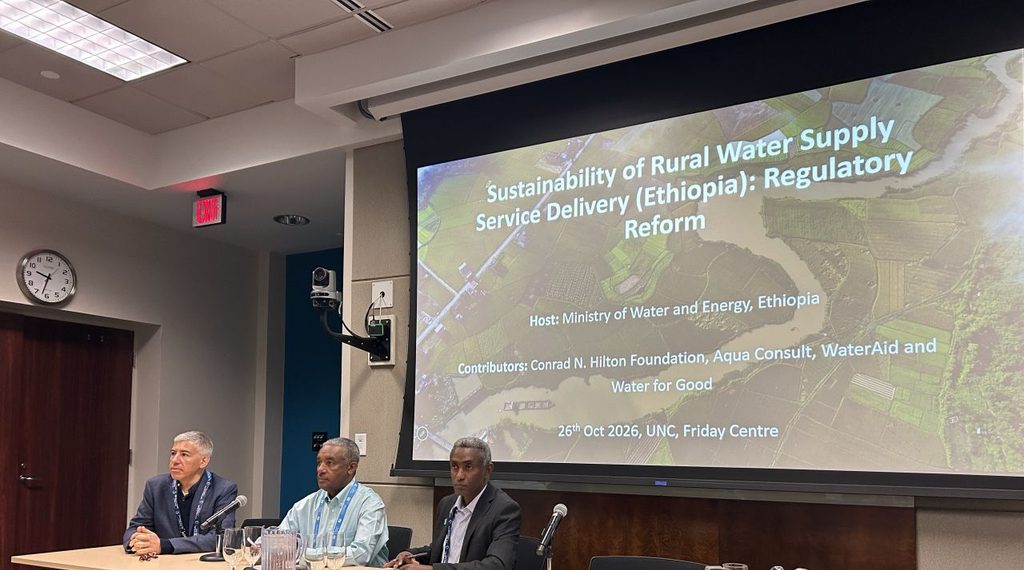
Advances in safe water delivery—and the water, sanitation, and hygiene (WASH) sector overall—happen best when actors focused on science, policy, and practice collaborate and share new learnings. At last week’s 2026 University of North Carolina Water and Health Conference, we saw the importance of global stakeholders working together toward universal WASH services. The event excelled in advancing a robust dialogue across the “science-policy-practice” continuum, highlighting important messages related to government leadership, operational sustainability, and balanced financing. At the same time, opportunities exist to enhance cross-sector collaboration by further elevating important government leaders and service providers in these kinds of policy and practice discussions.
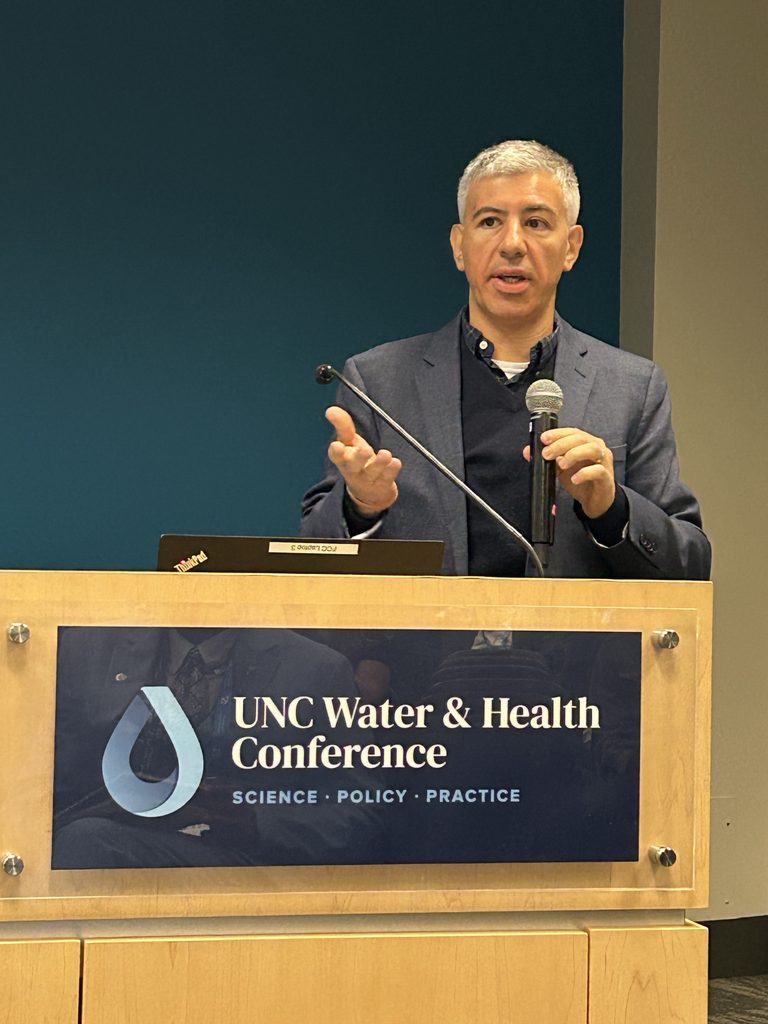
The conference demonstrated an impressive depth of scientific and data-driven research focused on WASH services. Academic researchers, non-governmental organizations, funders, and international development partners—including grantee partners of the Hilton Foundation’s Safe Water Initiative—shared valuable insights and innovative methodologies. This strong research foundation underscored the sector’s ongoing capacity for evidence-based learning, particularly on important topics like results-based financing, data access, water resource management, professionalization of services, and more.
Discussions from the week also reflected an encouraging consensus: addressing global water challenges involves balancing infrastructure delivery with long-term service sustainability. Building physical infrastructure represents an initial milestone, while maintaining reliable, sustainable, and affordable services typically relies on three interconnected pillars:
Conversations related to WASH science, policy, and practice can also benefit from a more expansive and inclusive set of actors responsible for service delivery and systems.
The research shared at UNC last week provides an excellent foundation for future progress. By continuing to foster closer partnerships among researchers, government entities, and local service providers, the global community is well-positioned to translate evidence into sustained, reliable services.
To see and hear additional insights from partners at the 2026 UNC Water and Health Conference, please visit: Working Together to Support Safe Water Delivery – Hilton Foundation