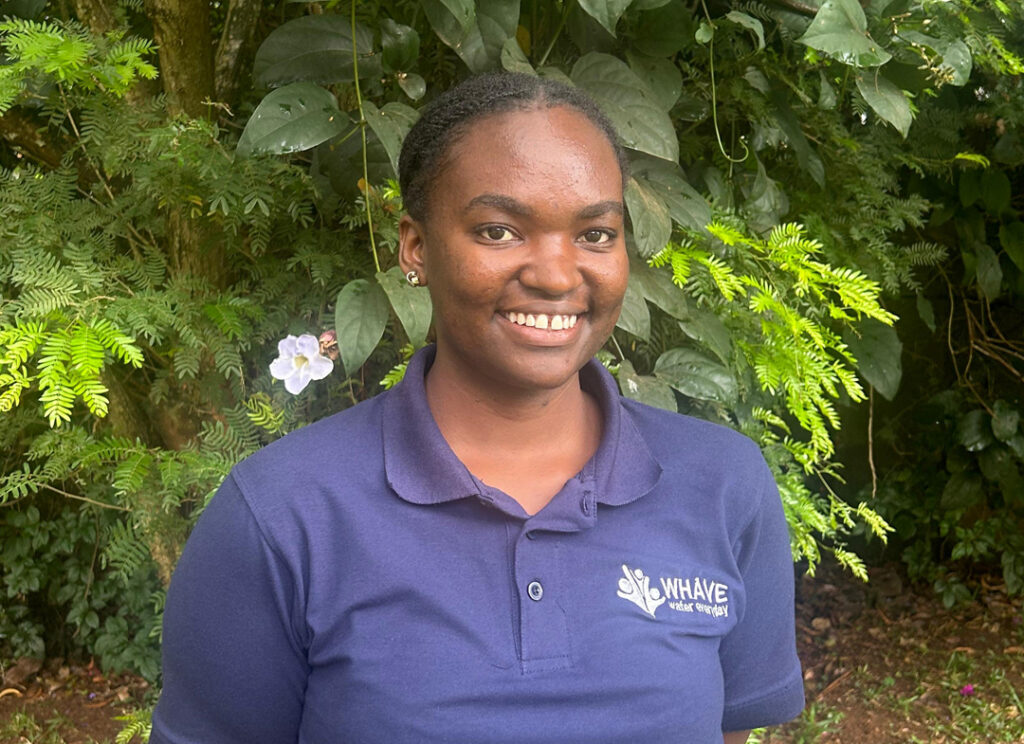
Angel Uwera is an accomplished engineer providing safe water to rural communities across Uganda. Had it not been for a chance encounter with an advertisement posted at her undergraduate college, however, her career may have looked very different.
Angel is a graduate of the Africa Water Quality Testing Fellowship, an initiative launched in 2022 by Uganda’s Makerere University and the Aquaya Institute with support from the Conrad N. Hilton Foundation. It aims to bridge classroom learning and field-based application for undergraduate science and engineering students at a time when unsafe drinking water remains a major public health challenge in sub-Saharan Africa, affecting more than three-quarters of the population.
“Maintaining water quality goes beyond technical interventions and also requires strong customer care and consistent engagement with the communities we serve.”
Angel Uwera
The fellowship strengthens safe water service delivery in rural areas by building technical and data skills for local workers. It also creates career pathways and economic opportunity for young professionals in Uganda’s water, sanitation and hygiene (WASH) sector.
For Angel and two other former Fellows—Stellah Nakirijja and Cecilia Nansiimbi—the program directly facilitated their journey through employment with Whave, another Foundation grantee partner that provides water maintenance services in rural Uganda. Their experience exemplifies how the fellowship opens pathways into the sector for women, who make up less than 20 percent of the global water workforce.
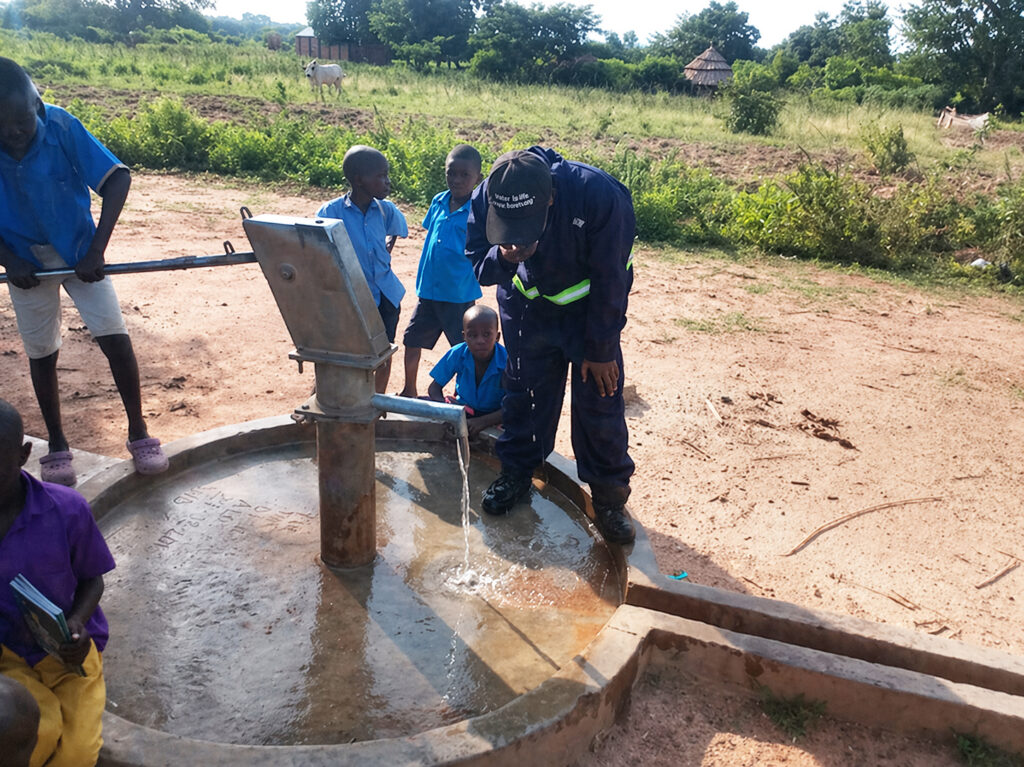
The Water Quality Testing Fellowship builds participants’ skills through intensive experiential learning—from field sampling and data collection to developing laboratory and analytic competencies. Over the course of one academic year, fellows complete six modules on water quality issues, covering health impacts, testing methodologies, potential contaminants, and related topics.
By participating in the Fellowship, Cecilia states that she acquired skills in “microbial analysis, field sample collection, data analysis, teamwork, and leadership.” The program “created an environment that encouraged hands-on learning and exploration,” she adds, “boosting my confidence and technical competence.”
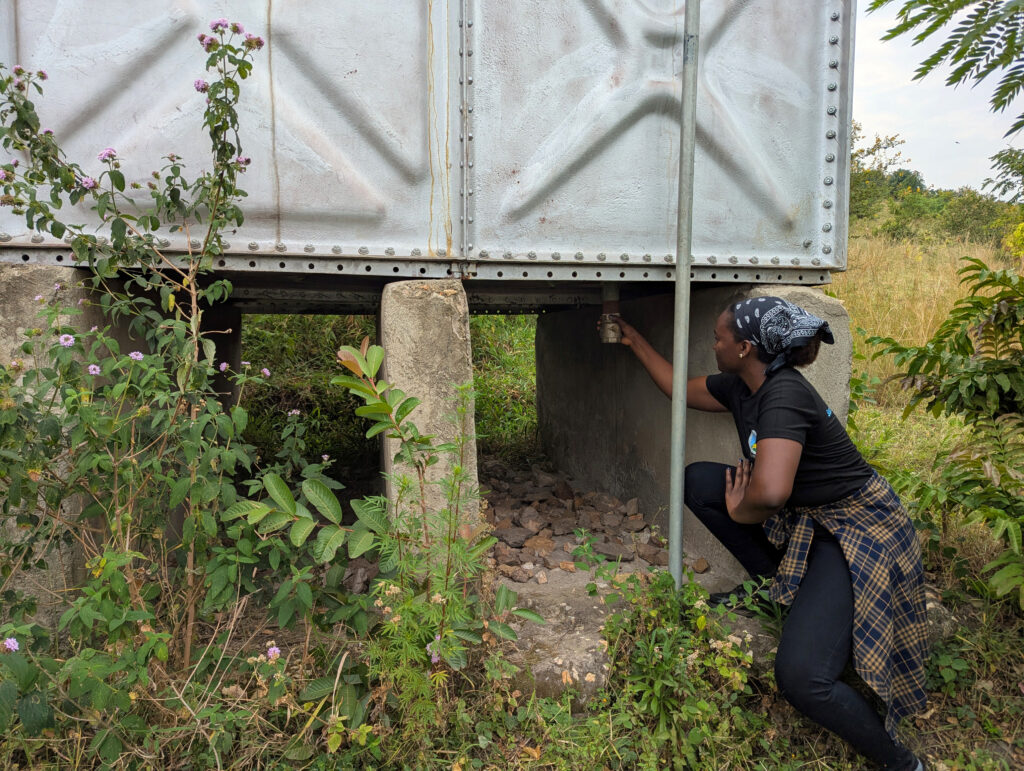
In Angel’s experience, her ability to understand and conduct water quality testing improved most by “field data collection and the hands-on use of specialized equipment to determine various water quality parameters, complemented by data analysis classes.”
The Fellowship’s curriculum is not limited to technical and analytic concepts. Across disciplines, the program provides a human-centered learning experience, demonstrating the real-world impact of water quality and technical competence on rural communities. The Fellowship “reshaped how I understand water,” says Stellah, “not just as a resource, but as a reflection of geography, culture, and human behavior.”
“The Fellowship reshaped how I understand water—not just as a resource, but as a reflection of geography, culture, and human behavior.”
Stellah Nakirijja
In keeping with the Foundation’s principles of building local capacity and taking cues from communities themselves, the Fellowship teaches students how to be effective and thoughtful partners with rural communities in need of safe water. As Angel notes, the curriculum and experiential learning impart Fellows with the truth that “maintaining water quality goes beyond technical interventions, also requiring strong customer care and consistent engagement with the communities we serve.”
Through rigorous education and professional preparation, the Water Quality Testing Fellowship achieves two important goals at the same time: improving the delivery of safe water services and creating career pathways and economic opportunities for young people.
The program has equipped Fellows to contribute to safer, more reliable water for rural communities in several ways:
The Fellows’ work at Whave helps communities stay resilient by reducing health burdens like waterborne disease. It also ensures that families, especially women and children, spend less time collecting water and more time on school or earning livelihoods. In these ways, the Fellowship helps build a pipeline of local professionals—a group of Ugandan engineers and environmental specialists that understand local contexts and community needs and have both the technical and soft skills to drive long-term improvements in water services.
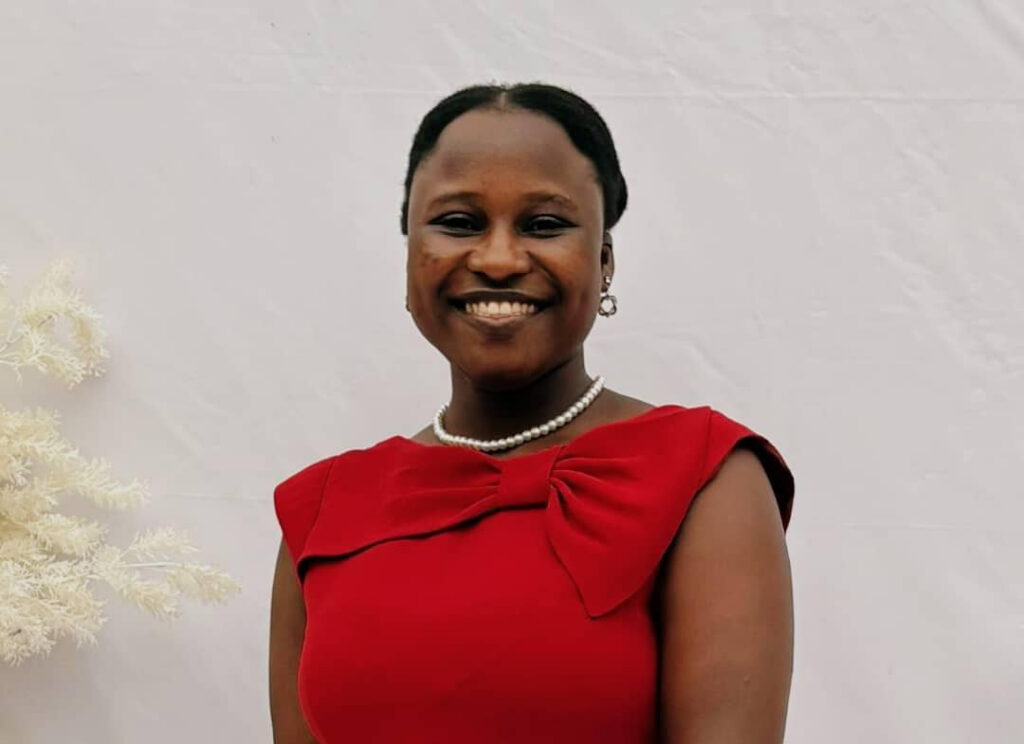
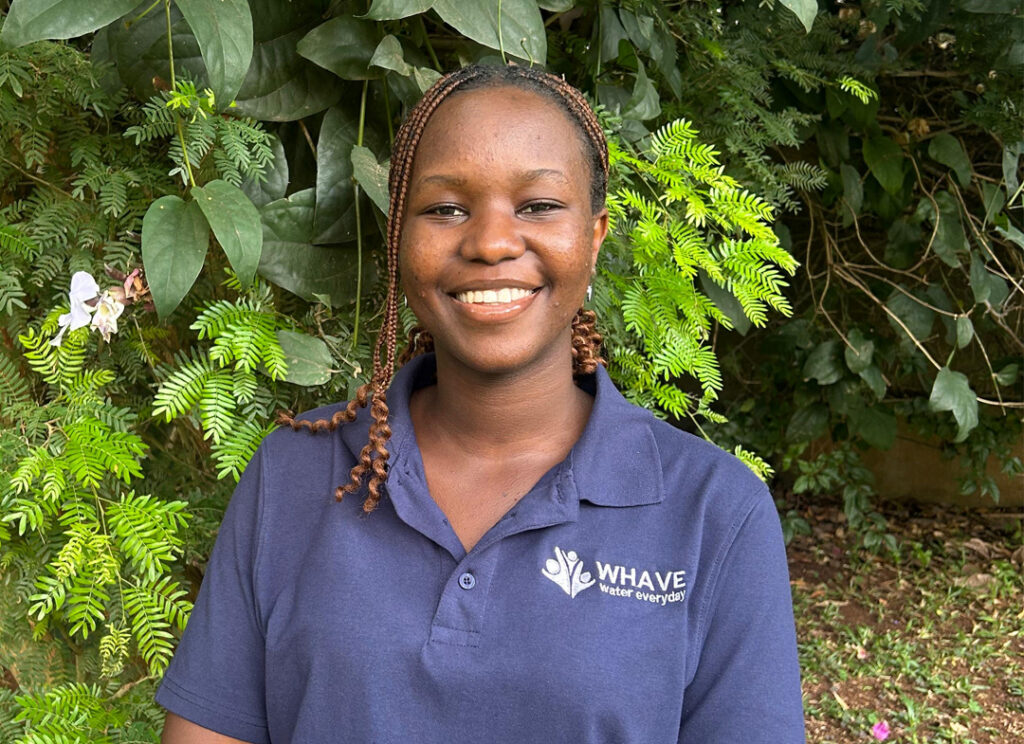
The experience of Fellows like Stellah, Angel, and Cecilia also highlights the ways that participating in the program helps young people build their careers and obtain reliable income. The Water Quality Testing Fellowship serves as a structured pathway from student to practitioner, connecting young people with skilled employment that has a clear path for progression over time.
All three Fellows aspire to leadership positions as full-time environmental or maintenance engineers, and plan to pursue master’s degrees in the near future—a path made possible by their hands-on technical experience during the Fellowship and at Whave. They have a strong foundation to support themselves and their families financially through work in a service-oriented field: one that is focused on “managing, protecting, and improving environmental systems,” as Cecilia puts it.
Angel, Stellah and Cecilia know the importance and urgency of safe water service delivery for these communities.
“This work is not abstract,” Stellah says, “it is visible, tangible, and deeply human. It means a mother no longer walks long distances for water. It means a child stays in school instead of searching for water.”
These three journeys that started with reading an advertisement posted to the university wall are now well underway as the next generation of confident, talented water engineers in Uganda invest in solutions for their communities.