
Ms. Ogutu is the Executive Director of Investing in Children and their Societies (ICS SP), an organization dedicated to fostering safe, nurturing environments where children can thrive and reach their full potential. This blog is part of a series edited by Katherine M. King, Director of Education and Early Childhood Development at RTI International’s Center for International Development.
I have spent over 20 years walking alongside parents, communities, local organizations and government partners to promote early childhood development and child protection. In that time, the questions have evolved from “Why should we invest in young children?” to “How do we make it work?”
In Kenya, we have come a long way. Our leaders know that investing in early childhood is the foundation for everything: education, health, productivity, even peace. The challenge now is: how do we make investments in young children successful in all of Kenya’s diverse counties?
Fortunately, county governments are showing us what is possible when multiple sectors share a vision for children and families. Let’s look at two very different parts of our country: Garissa in the North and Kakamega in the West.
Garissa County – Government Leadership and a Growing Movement
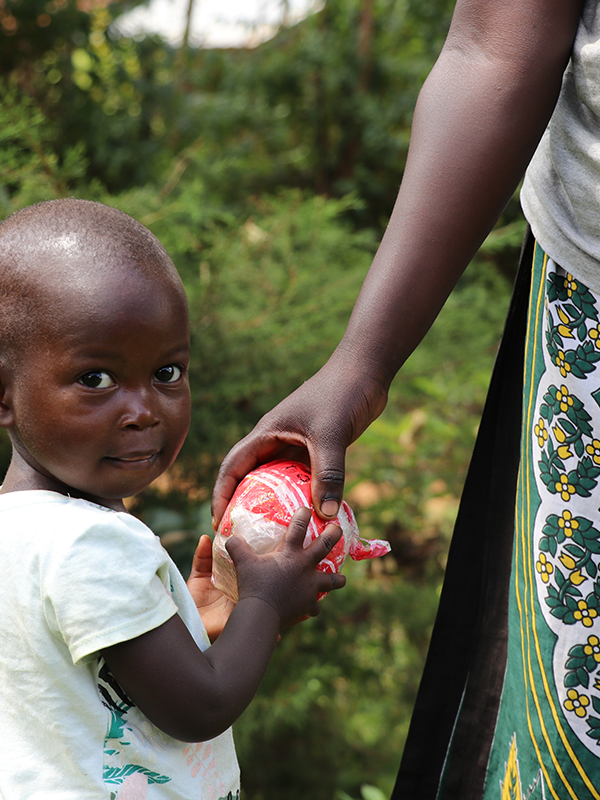
In Garissa County, Fatuma, a mother of three, is raising her young children on her own after her husband migrated in search of work. She lives in a remote, isolated community that is affected by drought and conflict. It is a tough environment for families, but strong multi-sectoral support for children is creating real change.
Fatuma is part of a growing network of caregivers supported through the Nutrition Improvements through Cash and Health Education (NICHE) programme, a government initiative operating in multiple counties that is focused on child development and protection in fragile settings. At her local health facility, Fatuma receives parenting tips and encouragement from Community Health promoters while she waits for nutrition counselling and health check-ups. In Local Mother Support Groups, caregivers learn about play, bonding, child protection and early learning. Crucially, these groups are facilitated by trained personnel from the Directorate of Children Services, Gender, and Social Development, which also provides monthly cash grants to help vulnerable families like Fatuma’s meet immediate needs. This direct support reduces financial stress, ensures children and families have sufficient nutritious food and allows parents to focus on caregiving. The NICHE Secretariat convenes representatives of national and county governments, development partners and local departments to plan and deliver these services in an organized, collaborative way.
Garissa has moved beyond pilot projects. The NICHE program is a government-led, community-based and multi-sectoral model that reflects real local ownership. Alongside the NICHE programme, Garissa County is also operating the National Positive Parenting Programme, with support from Investing in Children and their Societies (ICS SP). During routine services such as clinic visits, parent peer groups, community forums, and household outreach, government officers are helping caregivers learn how play, love and connection are just as important for their children as food and medicine. These services also help caregivers connect, recharge, and care for themselves. In 2025, nearly 1,500 caregivers received this coordinated support, benefitting more than 5,000 young children.
Kakamega County – An adolescent mother’s second chance
When 17-year-old Ruth had her baby in Kakamega County, she didn’t know where to turn. One day she walked into a youth-friendly health centre with her baby strapped on her back. She was anxious and unsure of what to expect. But instead of judgement, she found support. A kind health worker welcomed her, helped her sign up for a parenting group, connected her to a social worker and a peer mentor and ensured she had access to child health services without stigma.
Ruth’s story is not an exception. It is part of a broader shift in how Kakamega County is supporting adolescent caregivers through the government-led parenting and child development Kuimarisha Initiative. Funded by the Conrad N. Hilton Foundation and implemented by ICS-SP in partnership with the Kakamega County government, this initiative trains frontline workers, child protection specialists and social workers to deliver parenting support without judgement, recognizing the emotional, social and economic challenges adolescent parents like Ruth face. The support goes beyond parenting strategies to building the young mothers’ confidence, life skills and ability to establish respectful relationships. Ruth is now part of a peer support group that provides a safe space where she learns about child development, shares her experiences and finds sisterhood.
These services are woven into existing health care services and led by government teams who understand that supporting adolescent mothers is a smart investment in two generations. In Kakamega, more than 2,300 adolescent parents and their families are benefiting from this aligned approach.
From fragmented efforts to collective action
What connects Garissa and Kakamega is not their geography or their population, but their willingness to work differently and collaboratively across sectors. I see four common approaches working successfully in both counties. First, health workers are delivering parenting guidance alongside routine immunization and growth monitoring. Second, social workers, child protection officers and community health promoters are aligning their parenting and child development messages and efforts. Third, county departments are planning together – not in isolation – to align resources and actions. Finally, local consultation is ensuring that services are designed for those who need the support most, with results that are locally relevant, impactful, and sustainable.
Together for Impact: A Call to National and County Leaders to Drive Lasting Change
Garissa and Kakamega show us what is possible for all of Kenya’s 47 counties. It is time for other counties to follow their lead. Kenya’s leaders must allocate budgets and align sectors to scale these proven approaches, beginning with these steps:
When we bring together health, education, child protection and social services, we don’t just improve lives, we save them. We lift the entire community. If Garissa can do it in the face of drought, and Kakamega can do it with vulnerable adolescent mothers, then every county in Kenya can. Funding these services is not unrealistic or out of reach, but it will take leadership, coordination and the courage to ensure that every budget expenditure reflects our values. If you are a Principal Secretary, a governor, a County Executive Committee Member, or a budget officer, you can be part of the solution. The children of Kenya are waiting.
See also the ICS SP Early Childhood Care and Gender Transformative Skilful Parenting Fact Sheet.