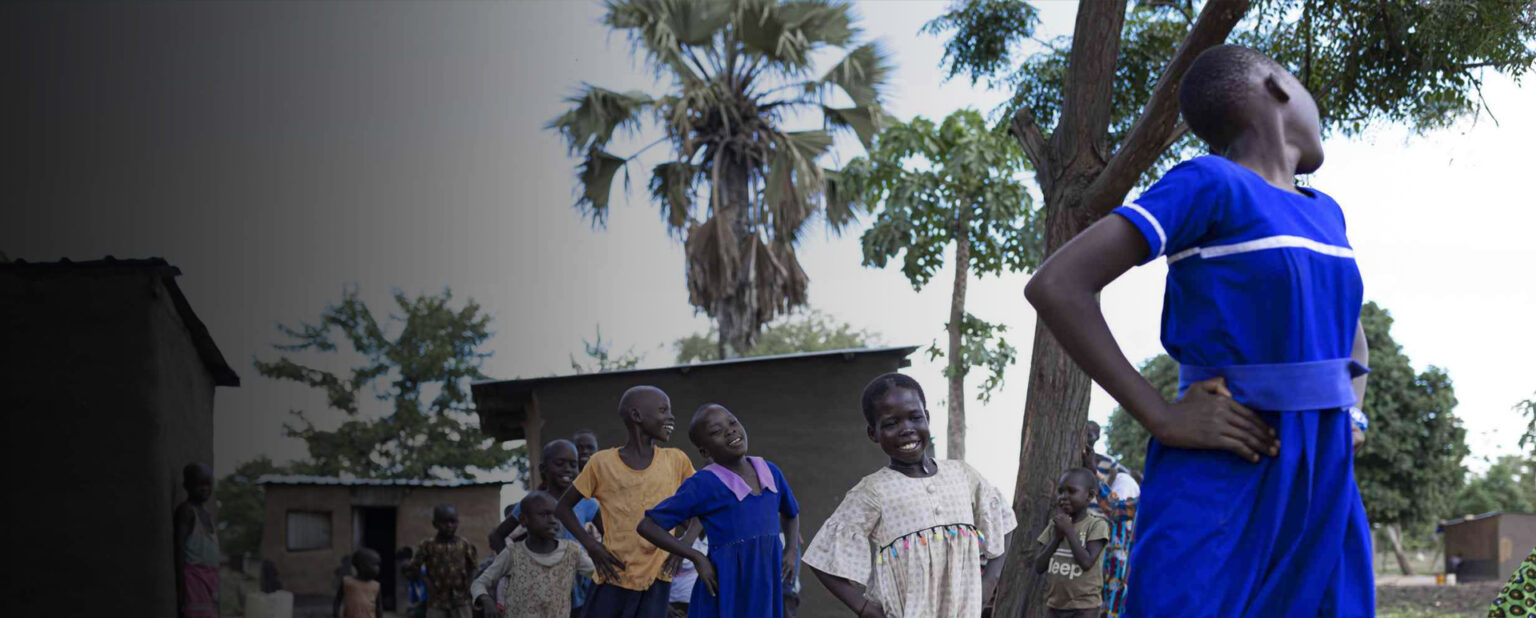
Currently, more than 117 million people globally are displaced from their homes due to violence, war, natural disasters or persecution. More than 43 million of those displaced are classified as refugees.
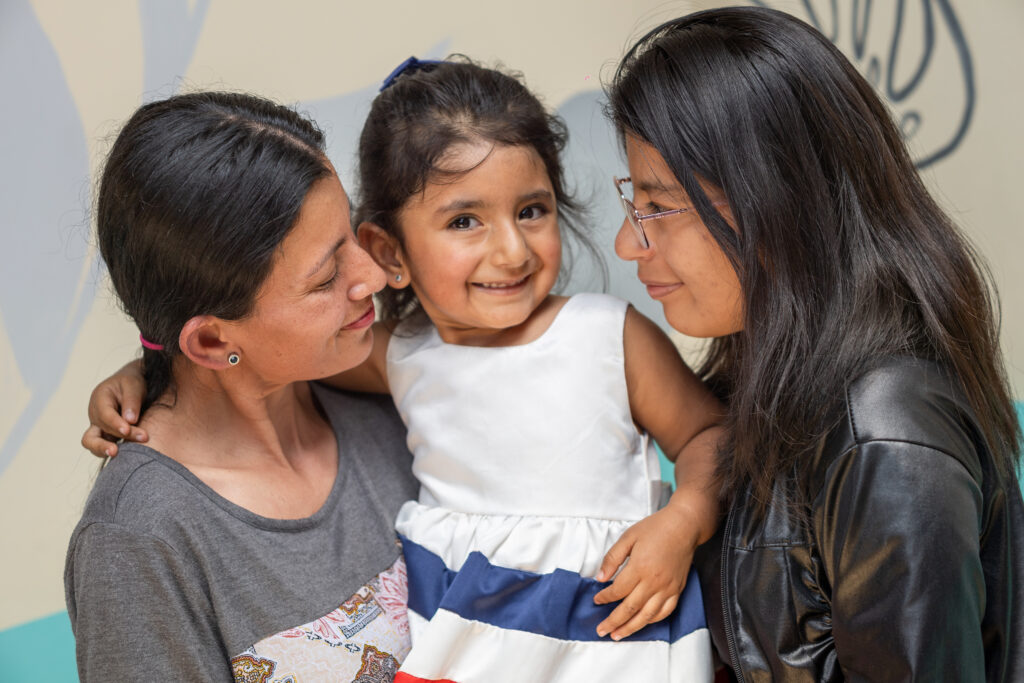
While refugees have tremendous determination and contribute economically and socially to the communities that welcome them, they also face many policies, practices and circumstances that hinder their mobility and access to basic services for children and families and employment for caregivers. The Conrad N. Hilton Foundation works with a range of government, non-government and private sector partners to support solutions to these problems, focusing on a “two-generation” approach that helps refugee children and their families, alongside efforts to champion refugee inclusion in the policy and decision-making processes that most affect their lives.

Refugee crises are becoming increasingly protracted, with the average displacement for refugees now approximately 20 years in length.
Refugee poverty rates are between 40 and 50 percent higher than host community members.
However, refugees’ determination and capabilities offer significant opportunities for whole communities to flourish: refugee spending can generate up to 2x return for host communities each year, and refugees repay loans at a 95 percent rate.
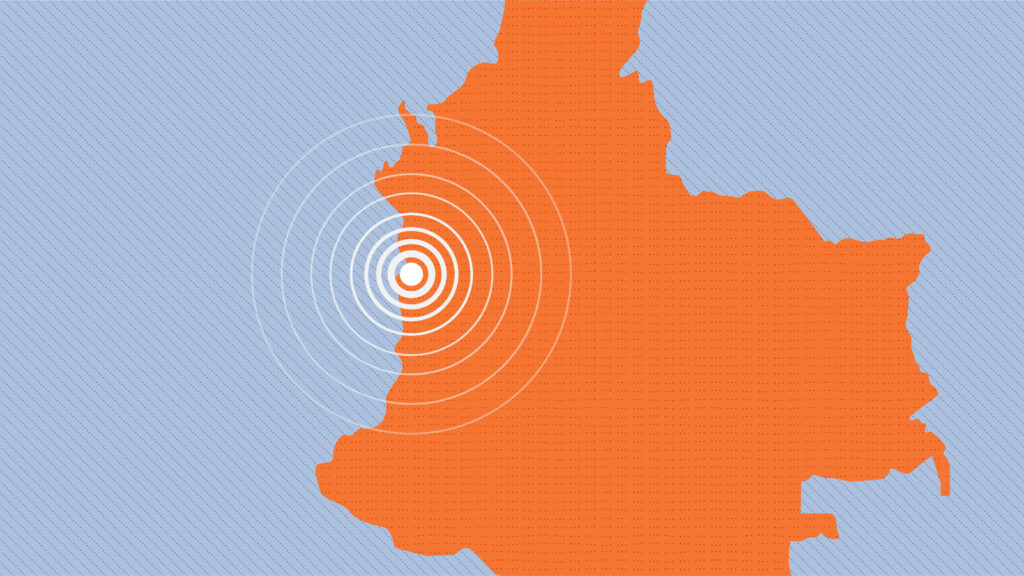
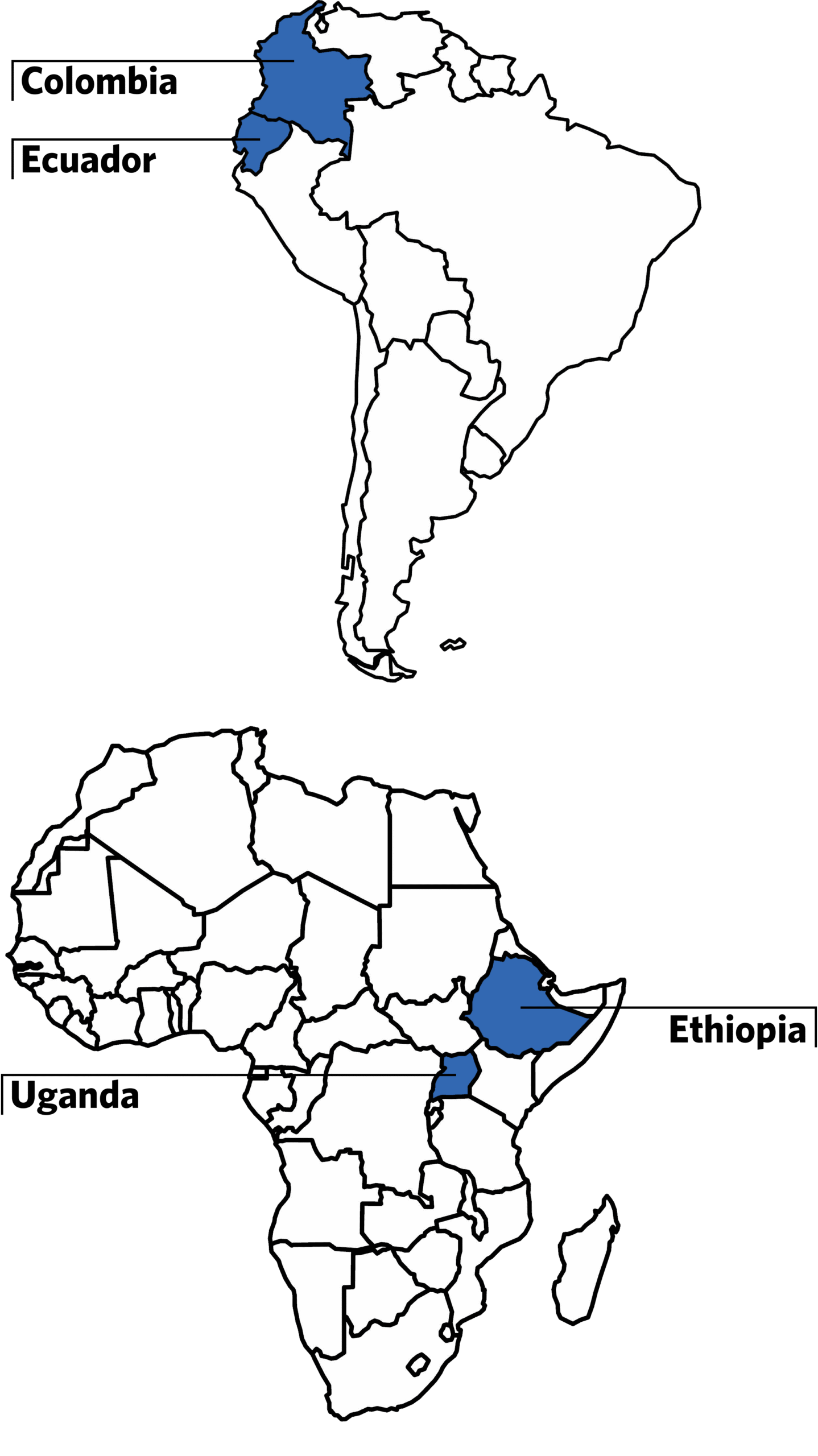
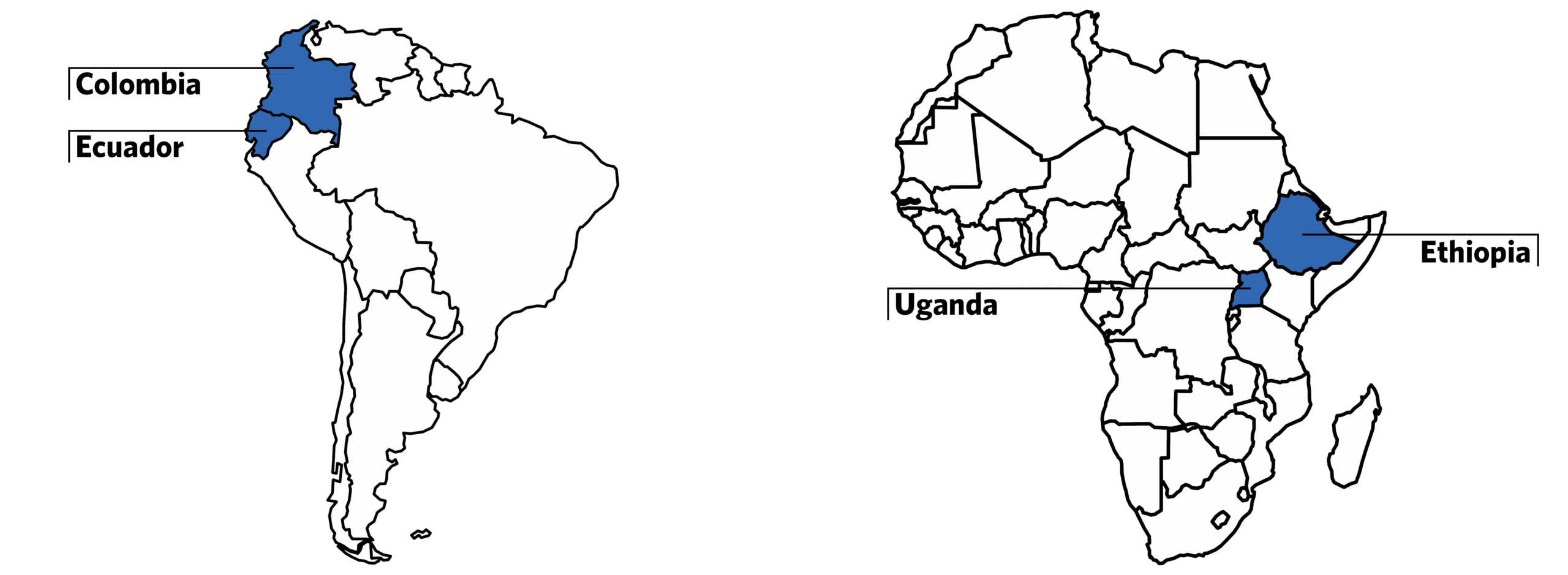
Our work in Colombia, Ecuador, Uganda and Ethiopia focuses on an integration model where services promote children’s healthy development and caregivers’ economic stability for both refugee and host community members.
Invest in partners with a two-generation approach focused on integrated early childhood development and livelihood programs that recognize the interconnection between children and their caregivers’ welfare.
Strengthen relationships across governments, municipalities, and local and refugee-led organizations.
Contribute to global research and programming to drive innovative, sustainable and locally-led initiatives and policies.
Champion the voices of refugees to advance effective and scalable solutions.
Continuously refine our advocacy strategy and learning agenda and build partnerships at local, regional and global levels.



Between 2021 and 2025, our strategy to support refugees focused on the two-generation approach and refugee inclusion, with encouraging initial results:
Our goal: By 2031, 325,000 young refugee and host children are physically and emotionally healthy and learning.