
Katie Januario
Program Officer, Global Early Childhood Development - East and Southern Africa

Maniza Ntekim
Senior Program Officer, Global Early Childhood Development - East and Southern Africa
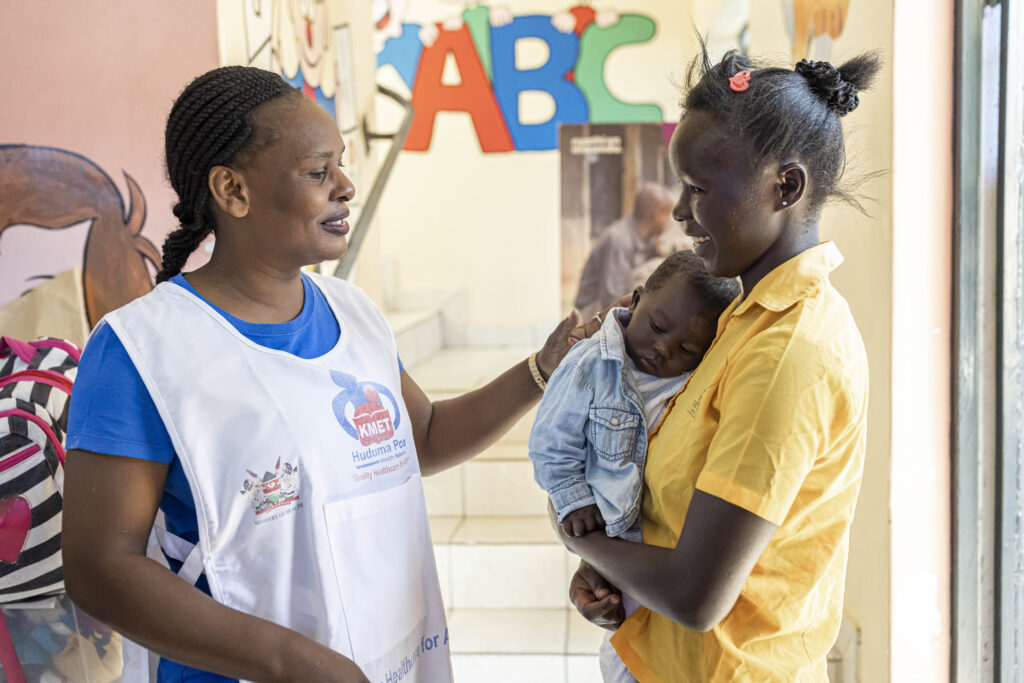
At the Hilton Foundation’s East and Southern Africa Early Childhood Development (ECD) Partners’ Convening in Nairobi, leaders, practitioners and global allies came together with one shared goal: to give every young child in Kenya, Mozambique and Tanzania the chance not just to survive, but to truly thrive. Amid rapid population growth, limited resources, new technologies and ongoing inequalities, participants were challenged to forge a more coordinated, impactful and sustainable future for young children and their families.
Here are some of the key takeaways, organized by our convening partner, Spark Health Africa.
Mrs. Graça Machel, Mozambique’s first Minister of Education and a globally respected advocate for women and children, opened day one with a motivational keynote. In her address, she urged participants to stay focused on improving young lives and emphasized that investing in early childhood is a non‑negotiable priority for Africa’s future.
Watch her full remarks:
Before the official convening began, partners and government representatives from Kenya, Mozambique and Tanzania convened for a series of pre-meetings focused on deepening understanding and alignment around four ECD themes, specifically:
Read the Key Takeaways from the Pre-Convening Discussions and learn more about child care systems strengthening from our ECD and Refugees initiative senior program officers.
Following the convening, Results for Development launched a resource toolkit and blog capturing insights from the pre-convening on nurturing care within primary health care. The materials highlight the importance of making responsive caregiving, early learning, safety and security, and development monitoring and counseling core priorities within primary healthcare systems.
Dive deeper into the insights from Day 1, including a detailed table of each country report.
Dive into insights from Day 2, including the three country elevator pitches.
Read each country’s action plan
Over five days of forward-looking, collaborative dialogue, a strong consensus emerged: while foundational ECD policies and programs are largely in place, the critical challenge now is to convert this potential into tangible, scaled impact for every child. Achieving this requires strengthening systems, securing sustainable financing, and ensuring accountability. Governments, partners, and the Foundation renewed their commitment to systemic change and measurable outcomes—bringing closer a vision of a future where every child in East and Southern Africa has the opportunity to thrive.