
The transition to adulthood can be challenging for young people who are disconnected from work and school. Workforce programs targeted to opportunity youth can be a critical bridge to employment, stability, and long-term success. A recent report from our partners at MDRC, “Tailored for Success” evaluates two different Los Angeles organizations focused on helping youth find stable employment and navigate adulthood.
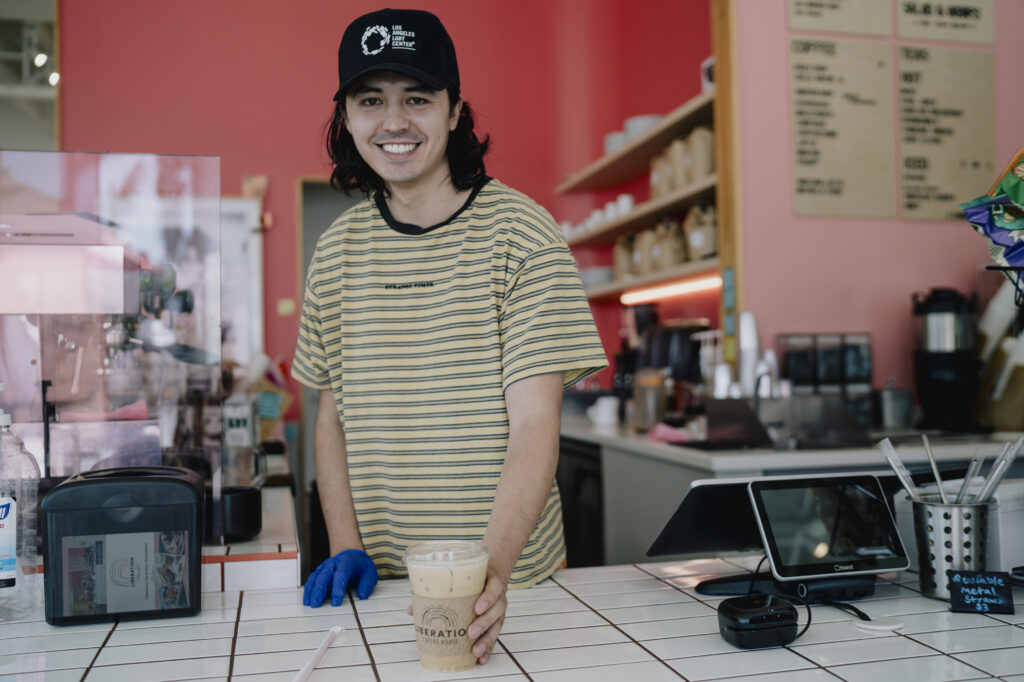
The Brotherhood Crusade and the Los Angeles LGBT Center are Hilton Foundation grantee partners using different approaches to achieve the same goal of providing workforce development and support for young people. The report found that highly tailored approaches, external work opportunities, and comprehensive support systems were crucial to helping young people succeed.
The Brotherhood Crusade’s Movin’ on Up initiative is a highly structured, research-informed workforce development training program that maintains strong attendance, participation, and performance expectations. Movin’ on Up’s primary goal is to position young people aged 16-24 in career paths with sustainable wages and opportunities for advancement or entrepreneurship.
The Los Angeles LGBT center provides a wide range of programs and services to LGBTQ+ youth and adults. Most participants in the center’s Youth Services Workforce Development Program (YSWDP) have little to no prior work experience. Some have faced previous workplace discrimination due to their LGBTQ+ identities. Unlike the high-intensity programming and skill development the Movin on Up Initiative focuses on, YSWDP emphasizes giving its participants foundational job-readiness skills and achieving stability.
Movin’ On Up uses tiers to divide participants into more specified paths.
YSWDP has a multi-step approach to ensure participants are supported and comfortable taking their next step.
Movin’ On Up:
YSWDP:
Comprehensive support refers to additional services such as housing, transportation, or mental health treatment, that help young people stay engaged in programs and move toward stable employment.
Movin’ On Up:
YSWDP:
In both cases, strong relationships between staff and participants are critical to success, building the trust needed for young people to seek and accept support.
The report makes it clear that what is effective for some young people might not be a fit for others. By supporting this research and these grantee partners, we hope that other stakeholders will focus on designing unique support systems to best fit the needs of the populations they serve.