
Transitioning to adulthood is challenging for everyone, and for young people in foster care, this life-changing moment is even more difficult without a stable support system. Transition-age foster youth (TAY)–young people between 14-26 years of age who have experienced foster care–often face a particularly steep climb into adulthood. They need a better support network and resources to help guide them on a difficult path and reach their full potential. Foster youth may face systemic inequality and marginalization in the child welfare system or have experienced racial bias or discrimination, leaving them vulnerable as they enter this critical new phase in life. Our Foster Youth Initiative addresses these issues and aims to close disparities in education, employment, health and well-being by providing access to targeted services and supportive networks to help guide TAY youth on their journey.

Our vision is to empower transition-age foster youth, especially the most vulnerable. We ensure they have equitable access to resources, strong relationships, and opportunities for education and career success, eliminating disparities in well-being, education, and economic independence.
Promote equity and provide social, emotional and economic mobility support for all TAY, including expectant and parenting youth, BIPOC and LGBTQ+, young people who have been commercially and sexually exploited, and youth and families of color (Black, Latino, Native American).
Increase coordination between child welfare, schools, mental health and other systems that administer social services.
Strengthen collaboration across the ecosystem of government agencies and community-based organizations serving transition age foster youth across our focus geographies to improve services and share best practices.
Increase stable family-based care with a strong preference for close family members as caretakers by helping with recruitment and ongoing training to support retention of qualified caregivers, especially kin.
Advance national momentum and systems change by ensuring federal, state and city-specific policymakers have access to quality TAY-focused data, including evidence provided by people with lived experience, to inform funding and policy decisions.
Ensure transition-age foster youth have access to reproductive health education, services and parenting support.
Invest in preventative interventions for youth in middle school.


Our work provides foster youth with the resources, connections, skills and stable home environment they need to heal from past trauma, grow, learn and find a sense of belonging and autonomy. By uplifting young people’s voices and supporting their personal development and well-being, we give them the agency to make decisions that positively impact their lives, turning dreams into clear steps toward a meaningful future.
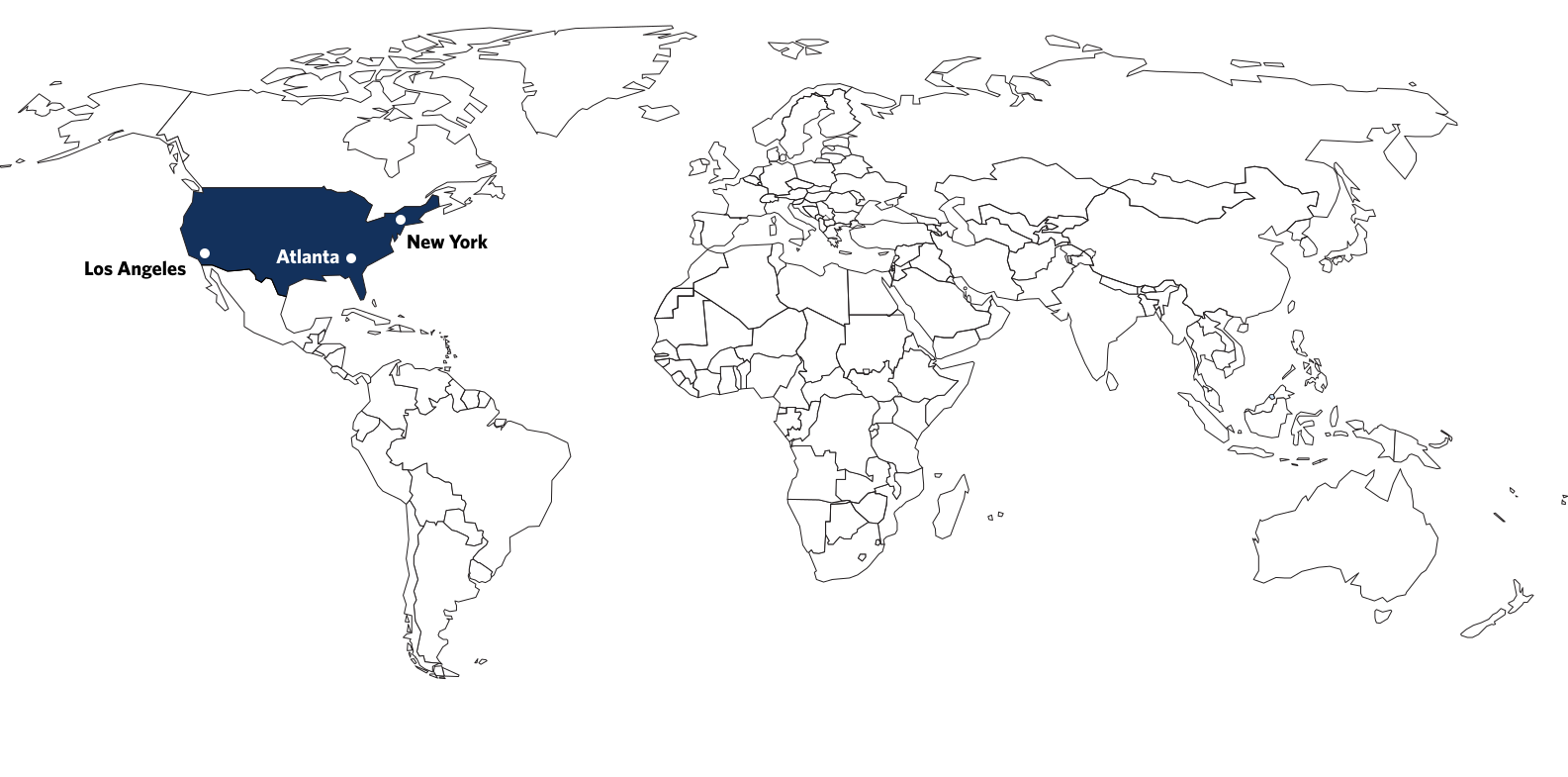
S25 Results as of July 2024 – the initiative has contributed to the following results for Transition Age Youth (TAY) in Atlanta, Los Angeles, and New York City since the strategy was launched in 2021:




The Hilton Foundation Foster Youth initiative supports transition-aged youth in Los Angeles, New York and Atlanta.